Announcing WSTC-Imaging, the world’s first high-definition MRI and CT imaging center for specialized stem cell applications and diagnostics
Beijing, China, May 11, 2010 — World Stem Cell Therapy Center (WSTC) has teamed up with GE healthcare technology to bring its patients the latest in GE imaging technology: the newly introduced Signa Series 3.0 Tesla magnetic resonance scanner (MRI) and the new Discovery HD CT 750 scanner (CT) for applied diagnostics.
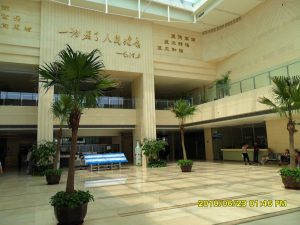
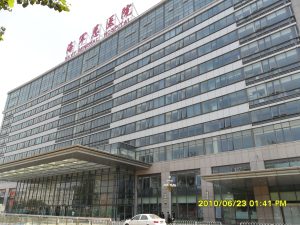
With the opening of WSTC-Imaging, its flagship high-definition imaging center in Beijing, China, the WSTC has raised the bar for fetal and autologous stem cell therapy and research.
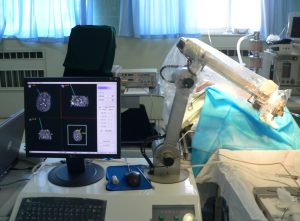
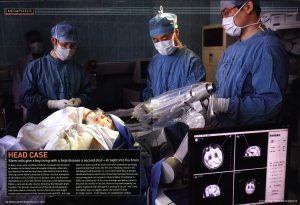
The GE Signa 3.0 Tesla high-resolution magnetic resonance scanner allows an unparalleled level of detail which facilitates characterization of brain, heart, and other tissue, making it ideal for WSTC’s work in applied stem cell therapy. High-definition MRI plays a critical role in the characterization of cell markers which are used to assess treatment efficacy for applied stem cell therapy, as well as cell distribution through the organs and tissues. It also plays a key role in the planning and follow-up of stereotactic and endoscopic stem cell implantation into the brain.
The new Discovery HD CT750 CT scanner is a High-Definition & Ultra-Low-Dose CT. It allows unprecedented image detail while delivering extremely low radiation doses. For example, the CT750 is used to administer stem cells into joints with high precision, or to visualize stenosis and calcification of arteries throughout the body with unmatched precision, allowing differentiation of “soft” and “hard” plaques.
Statistics Confirm Spinal Cord Injury Patients Improving After Stem Cell Therapy
Beijing, China, March 18, 2010 — The WSTC has released encouraging results from a follow-up study of 220 spinal cord injury patients treated with fetal stem cells. Overall, nearly 60% improved following treatment.
These results are consistent with those presented in November 2009 and they continue to support the premise that spinal cord injury patients can be treated safely and effectively with fetal stem cell therapy.
Patients with measured ASIA scores saw average improvements of about 12% in ASIA motor score, and approximately 24% in ASIA pin prick and light touch measurements.
The most common improvement, reported by almost 6 out of every 10 patients, was the return of feeling to the hands, feet, arms, legs or trunk. Muscle strength and endurance improved in over 60% of those treated and more than half reported a decrease in muscle spasticity.