Name: Donna
Gender: Female
Country: China
Diagnosis: Cerebral palsy, spastic bilateral paralysis
Pre-treatment
Donna was born premature, during the 25th week. The birth went OK and the birth weight was 900 g. She lived in an incubator for 2 months. She was born with hip, knee and ankle joint contracture. When she was 8 months old, she could crawl, but her posture was abnormal. When she was 3 years old, she was able to sit up but the lower limbs were unable to separate. When she was 4 years old, she could stand up with some assistance. When she was 5 years old, she could walk with some assistance. Her hip joints, knee joints and ankle joints were flexed, with the flexion of the knee joints being the most serious. Donna was able to communicate with others. She was also able to engage in daily activities like brushing her teeth, washing herself, and dressing herself, but she would occasionally lose her balance. Donna began school when she was 8 years old, and graduated from high school. When she was 4 years old, she was diagnosed with spastic bilateral paralysis in England and received physical and occupational therapy. When she was 15 years old, she was diagnosed with cerebral palsy and spastic bilateral paralysis; the doctors suggested that she continue participating in physical and occupational therapy.
When Donna’s family members became aware of our medical center from the internet, and how our treatment is effective for treating cerebral palsy, they made the decision to come here to see how we might be able to help.
During the examination of the nervous system, the muscle strength of both upper limbs was level 5-, the muscle strength of both lower limbs was normal. The muscle tone of both lower limbs was high, about level 2. The tendon reflexes of both upper limbs were normal; the patellar tendon reflex was slightly positive. The contracture of the hip, knee and ankle joints was quite noticeable. There was no amyotrophy in the limbs. Donna had difficulty getting up and difficulty turning around and could only turn slowly. The lower limbs were flexed which caused a scissors-like gait when she walked. The bilateral abdominal reflex was normal. The bilateral Hoffmann’s sign was positive; the bilateral sucking reflex was negative; the bilateral palmomental reflex was positive; the bilateral Babinski’s sign was positive. There were no obvious abnormalities to the sensory system. The finger-to-nose test was stable; the digital opposition test and alternate motion were slow. The bilateral heel-knee-shin test was also slow. During the Romberg’s test, Donna couldn’t separate her feet and had difficulty maintaining her balance when this was attempted. There were no signs of meningeal irritation.
Treatment
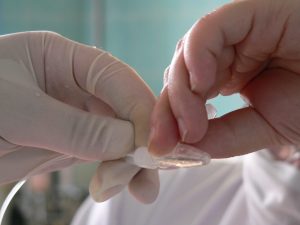
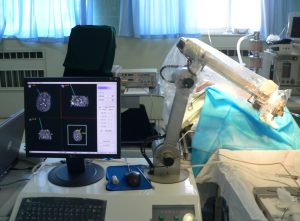
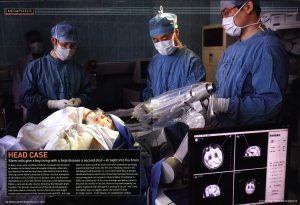
Before the stem cell treatment, we initially gave Donna a complete examination, and she was diagnosed with cerebral palsy, spastic bilateral paralysis. Then we administered the self stem cells activation treatment and implanted the stem cells in order to repair the damage to the neurons. Donna received treatment to improve the blood circulation to increase the blood supply to the damaged neurons and to give nourishment to them. She was given anti-free radical treatment. Donna also received physical rehabilitation training to improve the motor functioning of all four limbs.